Man Grooming Golden Retriever Dog Brushi
When I first opened the download folder for Man Grooming Golden Retriever Dog Brushi, I didn't just see a graphic; I saw a story waiting to be stitched. As someone who has spent years reviewing embroidery files and testing them on everything from delicate organza to heavy canvas, my initial reaction is usually about potential. How will this translate from a screen to a needle? The mood of the piece is immediately apparent: calm, caring, and deeply domestic. It captures that specific quiet moment between a pet owner and their golden retriever, and that emotional connection is exactly what makes an embroidery design sell.
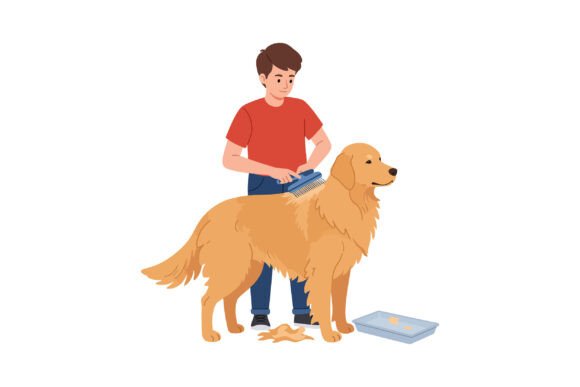
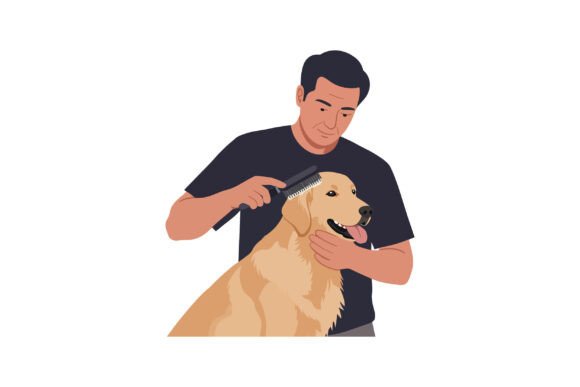
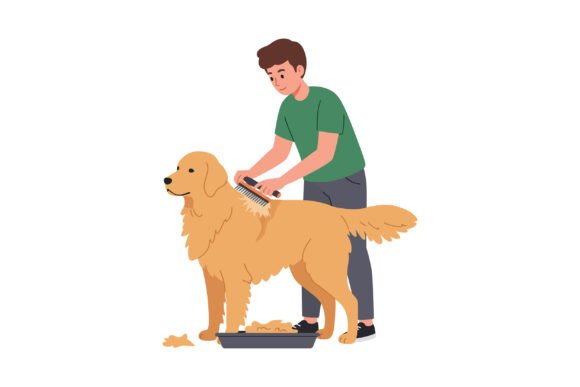
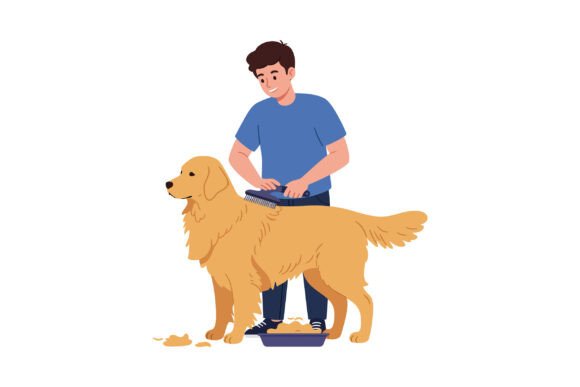
This isn't just another generic paw print or a simple silhouette. The illustration depicts a man carefully brushing a dog's fur indoors, using real grooming tools. For a designer looking to create meaningful handmade products, this level of narrative detail is gold. It transforms a simple machine embroidery design into a conversation starter. Whether you are an Etsy seller building a brand around pet lovers or a crafter making personalized gifts, the visual personality here suggests warmth and reliability. It feels like a design that belongs in a cozy living room, not just on a mass-produced t-shirt.
Real-World Application: From Screen to Stitch
I recently considered using this file for a custom project intended for a client who runs a boutique pet care service. The goal was to create a line of embroidered aprons and tote bags. My immediate thought was how Man Grooming Golden Retriever Dog Brushi would hold up against the rigors of daily washing and handling. The scene is relaxed, which translates well to softer fabrics, but the details require careful planning.
If I were to place this on a heavy-duty canvas tote bag, the design would serve as a central focal point. The interaction between the man and the dog creates a natural composition that balances well within a standard 4x4 or 5x7 hoop. However, I had to consider the thread colors carefully. The golden tones of the dog's fur need to contrast sharply with the background fabric to avoid looking muddy under bright store lights. On a dark navy apron, lighter threads would pop beautifully, creating a professional finish that elevates the perceived value of the product.
The versatility extends beyond apparel. Imagine this design on a baby blanket or a nursery pillow cover. The "calm and caring" vibe fits perfectly with nursery decor themes. Parents often look for items that evoke safety and tenderness, and this image delivers that instantly. It works equally well as a holiday gift tag or a decorative patch on a denim jacket. The fact that the package includes SVG, EPS, JPG, and PNG files means I can easily create printable mockups for my online shop without needing complex vector software, streamlining my workflow as a digital product seller.
Navigating Technical Challenges
While the concept is strong, every experienced designer knows that the devil is in the details. When evaluating Man Grooming Golden Retriever Dog Brushi for commercial use, there are specific areas where caution is required. The illustration features fine lines representing the brush bristles and the texture of the dog's coat. If the original file has too much intricate detail packed into a small area, it could result in a dense stitch count that causes puckering on thin fabrics.
I always advise testing the design on scrap fabric before committing to a final product. This is crucial when working with stretchy materials like jersey or fleece, which are popular for sweatshirts and baby clothes. Without the proper stabilizer, the tension of the satin stitches might distort the shape of the man's hand or the curve of the dog's back. Similarly, if you plan to embroider this on a curved surface like a baseball cap, the perspective might shift slightly depending on the curvature of the hat panel. You must ensure the design layout accounts for the distortion inherent in curved stitching.
Small details are also a risk factor. If the design includes tiny lettering or very fine accents, they may disappear during the stitching process, especially if the thread color blends too closely with the background. In such cases, I recommend checking the black-and-white mockup first. This helps visualize how the negative space and positive space interact without the distraction of color. If the details get lost, the design loses its charm, and customers might feel the finished product lacks the quality promised by the listing.
Building Trust Through Quality Embroidery
In the world of craft businesses, customer trust is built on consistency. A poorly executed design can make even the best idea look amateurish. Man Grooming Golden Retriever Dog Brushi offers a high degree of visual appeal, but only if the execution is precise. The choice of thread colors plays a massive role in the final outcome. Using high-quality polyester or rayon threads ensures that the golden hues remain vibrant and don't fade quickly after wash cycles.
For those selling on platforms like Etsy, the presentation of the finished product matters. An embroidered patch featuring this design can add a premium touch to a plain tote bag, turning a $10 item into a $25 boutique product. The emotional resonance of the image—a man taking care of his beloved pet—creates a strong bond with the buyer. It speaks to the identity of the owner, making the item more than just a utility; it becomes a personal statement.
However, not every fabric is suitable for this type of detailed illustration. Textured fabrics like bouclé or heavily napped fleece can hide the definition of the stitches, making the image look blurry. Thin fabrics might tear under the density of the fill stitches required to render the dog's fur realistically. Therefore, selecting the right base material is part of the design strategy. Cotton twill, linen, or stable denim are ideal candidates that will showcase the nuances of the artwork.
Practical Notes for the Designer
Before you start your next batch of production, take a moment to review the technical specifications of the file. While the description mentions various formats, the exact stitch count and recommended hoop size are critical for planning your machine settings. If these details are not explicitly provided in the documentation, do not guess. Contact the creator or check the file properties to ensure compatibility with your specific embroidery machine model.
- Test First: Always run a test stitch on a scrap piece of the same fabric you intend to use. Check for puckering, thread breaks, and clarity of fine details.
- Stabilizer Selection: Use cut-away stabilizer for stretchy fabrics to maintain stability over time, and tear-away for woven fabrics where you need a clean finish.
- Thread Contrast: Ensure your thread colors provide enough contrast against the fabric background to prevent the design from blending in.
- Licensing Check: Confirm whether the license allows for commercial use of finished goods. Some designs are for personal use only, and violating this can lead to legal issues for your small business.
- Density Review: Inspect areas with high stitch density. If the design is too crowded, consider simplifying it digitally before exporting to the machine.
Ultimately, Man Grooming Golden Retriever Dog Brushi is more than just a graphic; it is a tool for creative entrepreneurs to build their brands. It offers a unique opportunity to create products that resonate emotionally with pet lovers. By approaching the design with a critical eye and following best practices for machine embroidery, you can turn this illustration into a standout addition to your catalog. Whether you are crafting a one-of-a-kind gift or scaling up for a retail line, the key lies in respecting the medium and understanding how the design behaves in the real world.
As you move forward with your projects, remember that the success of your finished product depends on the harmony between the design intent and the technical execution. With the right preparation, this design can become a staple in your collection of graphics, bringing joy to both the maker and the recipient. Happy stitching, and may your next project be as rewarding as the moment captured in the image.