Pen Case Template with Ethnic Pattern Review
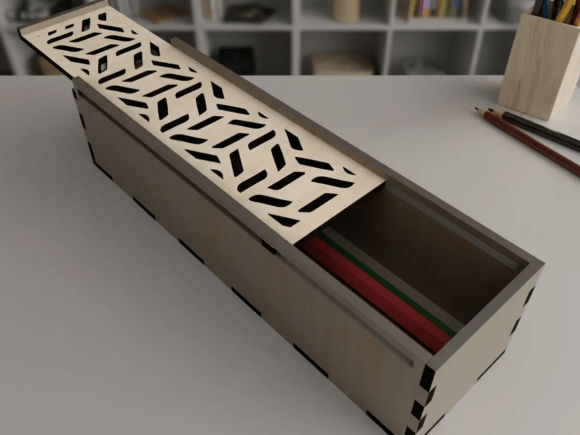
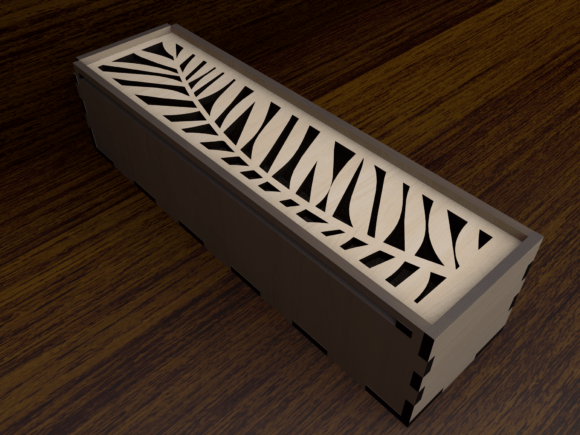
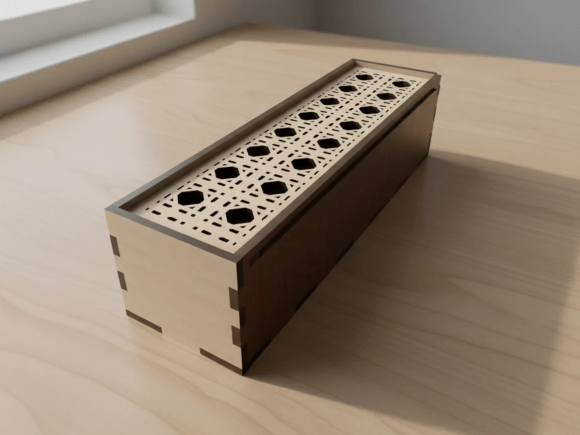
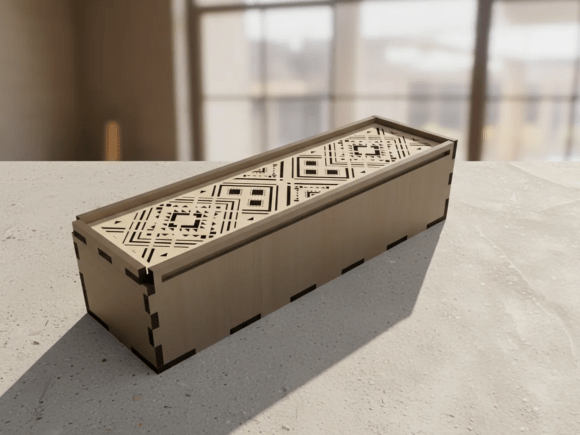
When I first opened the file for Pen Case Template with Ethnic Pattern, my initial reaction wasn't about the stitching mechanics, but rather the mood it evoked. As a designer who spends hours evaluating digital assets for both personal studios and client work, I look for that immediate spark of potential. This design carries a distinct, grounded energy. The ethnic geometric cutout pattern isn't just decorative; it suggests structure, tradition, and a tactile quality that feels right at home in a handmade product line.
However, there is an interesting duality here that we must address immediately. The product description highlights this as a laser-cut SVG template for a wooden pencil box with a sliding lid. While the visual appeal of those geometric cutouts is undeniable, our focus today is on how this specific aesthetic translates into the realm of machine embroidery. Can a design born from wood cutting concepts translate effectively to thread? That is the question I set out to answer before recommending this asset for your next embroidery project.
The Visual Personality of the Design
The first thing that strikes me about Pen Case Template with Ethnic Pattern is its strong geometric backbone. In the world of machine embroidery design, geometric shapes often serve as excellent anchors because they provide stability against the natural movement of fabric. Unlike organic floral motifs that can sometimes lose definition on textured materials, these sharp, repeating lines promise clarity. The ethnic theme adds a layer of cultural richness that resonates well with buyers looking for unique, artisanal goods.
If you are a creative entrepreneur or an Etsy seller, you know that the "vibe" of a design sells the product before the customer even sees the price tag. This pattern creates a sophisticated, bohemian-chic atmosphere. It feels perfect for a boutique product that needs to stand out on a shelf filled with generic imports. The layout suggests a balanced composition that works beautifully as a central focal point or as a border element wrapping around a larger item.
Imagine this design stitched onto a high-quality canvas tote bag. The geometric lines would define the edges of the bag, giving it a structured, professional look. Or consider using it on a linen apron for a small shop owner who sells handmade ceramics. The ethnic pattern would complement the earthy tones of clay and wood, creating a cohesive brand story. The design doesn't scream for attention; instead, it invites the viewer to appreciate the craftsmanship, which is exactly what builds customer trust in the handmade market.
Real-World Application Scenarios
Let's talk about practical use cases. I recently had a client request a custom embroidered patch for a limited-run sweatshirt collection. They wanted something that felt global yet modern. While Pen Case Template with Ethnic Pattern was originally intended for a wooden box, the core geometry makes it surprisingly versatile for apparel decoration. If you adapt the scale correctly, this design could serve as a striking chest logo or a back-panel statement piece.
For holiday gifts, this design shines. Picture a personalized gift set: a hand-stitched tea towel featuring this ethnic pattern alongside a matching pillow cover. The repetitive nature of the geometric cutouts allows for easy customization. You could change the thread colors to match seasonal palettes—deep reds and golds for Christmas, soft pastels for Easter, or vibrant oranges and purples for Halloween. The design's flexibility makes it a valuable asset for holiday embroidery collections where variety is key.
I also see significant potential in baby items. A simple onesie or a nursery wall hanging embroidered with these clean lines offers a gender-neutral option that parents love. The geometric shapes are less likely to look dated than trendy characters, ensuring the personalized gift remains relevant for years. However, when applying this to delicate fabrics like muslin or silk, one must be cautious. The density of the pattern requires a stable base, so choosing the right stabilizer is non-negotiable.
Navigating Technical Challenges
Every good designer knows that a beautiful concept can fail if the execution ignores technical limitations. When considering Pen Case Template with Ethnic Pattern for real-world projects, there are specific areas where caution is required. First, let's discuss hoop size. If you attempt to stitch this intricate geometric pattern in a very small hoop, you risk distorting the fabric or losing the precision of the smaller details. Always verify the recommended hoop size before starting your run.
Fabric texture plays a massive role in the final appearance. On a smooth cotton twill, the satin stitch and fill stitch elements will appear crisp and professional. However, on a heavily textured fabric like bouclé or a thick fleece, the fine lines of the ethnic pattern might get lost in the weave. Similarly, stretchy fabrics present a challenge. Without proper stabilization, the tension of the stitches could cause the fabric to pucker, ruining the geometric integrity of the design. For these applications, a cut-away stabilizer is often necessary to maintain shape over time.
Dense stitch areas are another consideration. Geometric patterns often rely on tight fills to create solid blocks of color. If the stitch density is too high, the fabric can become stiff and difficult to wear, especially on custom apparel like t-shirts or caps. Conversely, if the density is too low, the underlay might show through, making the design look messy. It is crucial to inspect the design files closely to ensure the stitch count is appropriate for the intended fabric weight.
Dark fabrics also require extra thought. The contrast between the thread and the background is vital for visibility. If you plan to use this design on a black hoodie or a navy blue tote bag, you will need light-colored threads or a specialized underlay technique to ensure the geometric details pop. Testing on scrap fabric is not just a suggestion; it is a mandatory step to avoid wasting expensive materials.
Strategic Tips for Success
To get the most out of this asset, I recommend treating it as a flexible design tool rather than a rigid template. Before committing to a full production run, test the design on scrap fabric first. This allows you to gauge how the stitch density interacts with your specific material. Check thread color contrast by laying different thread spools over the digital preview or printing the design in black and white mockups to visualize the depth.
Review the small details carefully. Sometimes, complex geometric patterns can result in tiny, fragile corners that may break or snag during washing. Inspect these areas to determine if they need simplification or reinforcement. If you are selling finished products, confirm whether the license terms allow for commercial use. Many designers make the mistake of assuming a digital download includes unlimited commercial rights, but this varies wildly.
Consider the end-user experience. Will the finished product withstand frequent washing? For items like aprons or tote bags, durability is paramount. Ensure that the design does not have excessive loose threads that could catch on zippers or other objects. Also, think about the presentation. A well-executed embroidered patch or a neatly stitched kitchen towel elevates the perceived value of your business. Customers are willing to pay more for items that look professionally finished, and that starts with careful design selection.
Ultimately, Pen Case Template with Ethnic Pattern offers a unique blend of structure and style that can elevate your craft business. Whether you are creating digital embroidery files for others to use or crafting physical merchandise for your own shop, this design provides a solid foundation. By understanding its strengths and respecting its technical constraints, you can transform a simple geometric concept into a standout handmade product that resonates with buyers.
Remember, the best designs are those that solve a problem or enhance a user's life. This pattern brings a sense of order and beauty to functional items, making it a worthy addition to any designer's toolkit. Just keep your eyes on the details, test rigorously, and let your creativity guide the final stitch.