Pen Case Template with Geometric Pattern Review
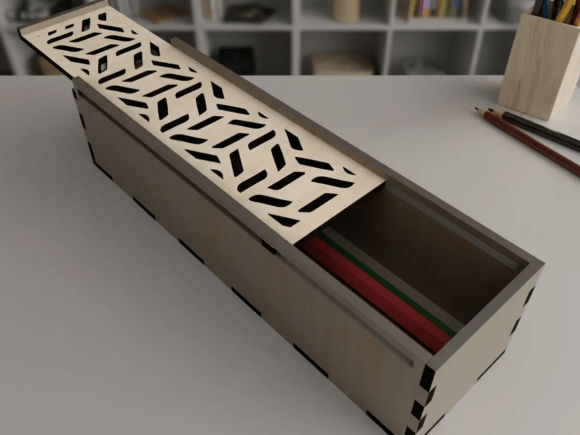
As a designer who has spent years turning digital files into tangible, stitched masterpieces, I approach every new embroidery file with a mix of excitement and skepticism. You never know if a design will hold up under the pressure of a real-world project until you actually run it through your machine. Recently, I examined the Pen Case Template with Geometric Pattern, a product that sits at the intersection of laser cutting precision and textile artistry. While the product description highlights its use for creating wooden pencil boxes with sliding lids, my focus as an embroidery professional is on how this geometric aesthetic translates to fabric, how it functions in a commercial workflow, and whether it truly delivers value for handmade goods.
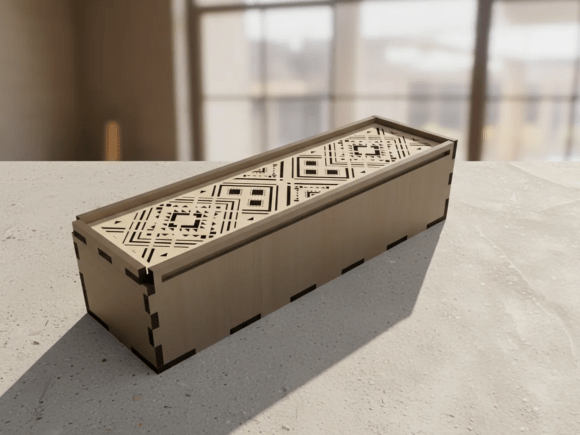
The first impression of Pen Case Template with Geometric Pattern is one of structured elegance. The modern geometric cutout pattern suggests a design that relies on clean lines and negative space rather than overwhelming complexity. In the world of machine embroidery design, there is often a fear that intricate patterns can become muddy or lose definition when stitched. However, this specific layout feels like it was born from the geometry of vector graphics, which usually bodes well for digitization. It creates a mood that is contemporary, organized, and sophisticated—a perfect fit for the growing market of desk accessories and functional decor.
I decided to put this concept to the test by imagining a real-life scenario: a custom order for a boutique stationery shop. The client wanted a line of personalized gift sets featuring embroidered patches to be attached to their leather journals and canvas tote bag design options. My initial thought was, "Does this geometric pattern work as a standalone motif?" When visualizing the design applied to a small square patch or a centered chest logo on a sweatshirt embroidery piece, the answer is a resounding yes. The symmetry and repetition inherent in the pattern allow it to scale effectively without losing its character. It offers a level of professionalism that generic floral or script designs often lack, making it an excellent choice for commercial embroidery projects targeting a modern aesthetic.
Real-World Application and Versatility
One of the most critical aspects of any embroidery project is versatility. Can this design work across different mediums? If we look at the potential applications, Pen Case Template with Geometric Pattern shines in areas where structure meets softness. For instance, consider a pillow cover for a nursery or a home office. The geometric nature of the design pairs beautifully with solid-colored fabrics, allowing the texture of the thread to do the heavy lifting. It would also translate exceptionally well to a kitchen towel or a tea towel, adding a touch of modern flair to a traditionally utilitarian item.
For those running a craft business or selling on platforms like Etsy, the ability to create a cohesive brand identity is paramount. This design offers a distinct visual personality that can anchor a collection. Imagine a series of holiday gifts where the same geometric motif is used on aprons, cap hats, and even baby clothes. The pattern is neutral enough to suit various color palettes but bold enough to stand out. When customers see a consistent, high-quality design language across a brand's offerings, it builds trust and recognition. The Pen Case Template with Geometric Pattern provides that backbone, ensuring that whether it is stitched onto a personalized gift or a mass-produced item, the result looks intentional and polished.
However, not every application is created equal. There are specific scenarios where caution is required. If you are working with a small hoop size, you must scrutinize the density of the geometric lines. While the pattern is clean, extremely fine details can sometimes get lost in the stitching process, especially if the stitch density is too high. Similarly, when applying this to textured fabrics like heavy denim or thick wool, the stability of the design might be compromised if the stabilizer isn't chosen correctly. The interplay between the fabric texture and the smooth lines of the pattern needs to be balanced; otherwise, the crispness of the geometry could be obscured.
Navigating Technical Challenges
Let's talk about the nitty-gritty of execution. When evaluating a design like this, I always consider the types of stitches involved. A geometric pattern typically relies heavily on fill stitch for the background and satin stitch for the outlines to ensure sharp edges. If the digitization is poor, fill stitches can bunch up, creating a lumpy appearance that detracts from the sleek look of the original template. Furthermore, running stitch elements might be used for delicate accents, which require careful tension control.
There are also material constraints to keep in mind. Working on stretchy fabric or curved surfaces like caps requires a robust approach. Without proper stabilization, the geometric lines might warp during the stitching process, ruining the symmetry that makes the design so appealing. Dark fabrics present another challenge; the contrast of the thread against the background is crucial. If the design is intended to be subtle, using a low-contrast thread on a dark background might make the pattern invisible. Conversely, on light fabrics, the design should pop, but the thread selection must be vibrant enough to maintain visibility.
For those considering this for applique design integration, the geometric shapes offer great potential. Cutting appliqué pieces based on the pattern can add depth and dimension, though it adds time to the production process. It is essential to review the stitch density before committing to a large batch. High-density areas can cause puckering, particularly on thinner fabrics, so testing on scrap material is non-negotiable.
Practical Notes for the Designer
Before you download and start stitching, here are some actionable steps to ensure success with Pen Case Template with Geometric Pattern. First, always test the design on a scrap piece of the actual fabric you intend to use. This allows you to gauge how the fabric texture interacts with the stitches and whether the design holds its shape. Second, check the thread colors available in your stash. The geometric theme often benefits from high-contrast combinations, but monochromatic schemes can also look strikingly modern depending on the finish you want.
Confirming the hoop size is vital. Ensure your machine setup matches the dimensions of the design to avoid cropping or distortion. If you are planning to sell finished items, double-check the licensing terms. Some digital assets come with restrictions on commercial use, while others allow you to create unlimited products. Since the original description focuses on laser cutting SVG templates for wooden boxes, verify if the embroidery file includes the necessary rights for selling the final stitched goods. Also, inspect the small details closely. Sometimes, what looks perfect on a screen can appear jagged or broken when stitched, especially in corners or tight curves.
Finally, don't underestimate the power of a good mockup. Before listing a product, create a printable mockup or a digital preview to show clients exactly how the Pen Case Template with Geometric Pattern will look on their specific product. This helps manage expectations and reduces returns. Whether you are a seasoned Etsy seller or a hobbyist looking to upgrade your handmade product game, taking these precautions ensures that your final output is nothing short of professional.
In conclusion, Pen Case Template with Geometric Pattern represents more than just a decorative element; it is a versatile tool for designers who value precision and modern aesthetics. By understanding its strengths and respecting its limitations regarding fabric type and machine settings, you can transform this digital concept into a stunning physical reality. It is a design asset that demands attention to detail but rewards you with a finished product that stands out in a crowded marketplace.